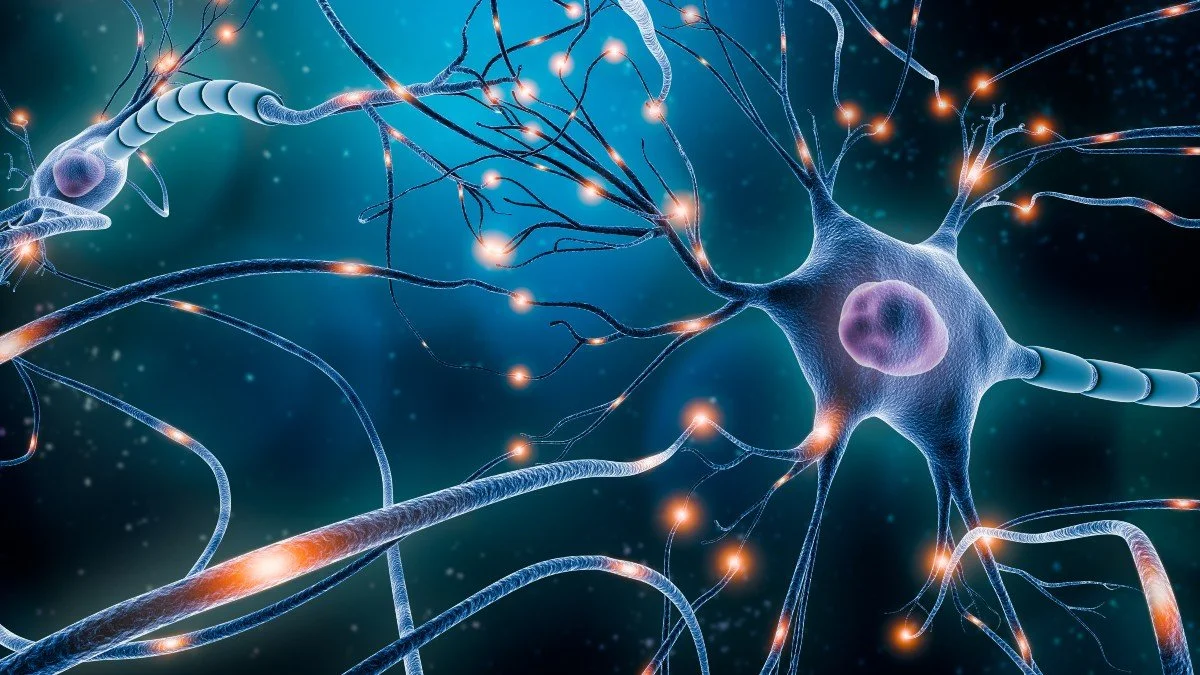
High performers often believe they can operate at 140% forever. They push harder, take on more, solve every problem, carry everyone else, and wear exhaustion like a badge of honour. The conscious mind says, “Keep going. We’ve got this.” But the nervous system is quietly keeping score.
It helps to think of burnout as two people living in the one body.
The first is your conscious mind — ambitious, driven, capable, competitive and highly productive. It loves achievement, pressure and momentum. It thrives on ticking boxes, solving crises and outperforming expectations.
The second is your nervous system — the ancient survival system designed to keep you safe and alive. It regulates stress hormones, sleep, recovery, digestion, emotional balance and energy. Unlike the conscious mind, it does not care about KPIs, promotions or proving yourself. It cares about survival.
The problem is that many high achievers never take their foot off the accelerator long enough for the nervous system to feel safe again. Eventually, the nervous system stops trusting its human host.
At first, it whispers. Poor sleep. Tight chest. Irritability. Waking at 2am with a surge of adrenaline. Emotional overwhelm. Brain fog. Fatigue that rest does not fix.
But when those warnings are ignored, the nervous system escalates. It starts pulling emergency levers. Anxiety increases. Motivation drops. Concentration disappears. The body begins forcing the slowdown the mind refuses to choose.
Burnout is rarely weakness. More often, it is a nervous system that no longer believes its owner will protect it.
So it creates a small break before a complete implosion.
Sometimes the most productive thing a high performer can do is prove to their nervous system that the accelerator is no longer stuck to the floor.